
Explore our biological validation solutions
Protein prediction approaches
Validating predicted protein function through targeted, high-throughput assays
Revvity helps bridge the gap between AI protein predictions and biological reality, providing high-throughput, robust assay solutions to support reliable biological validation for target-based drug discovery across multiple detection modalities.
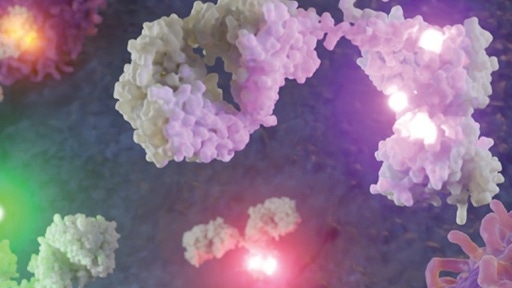
AI-driven protein fitness and function prediction enables virtual exploration of how proteins modify with mutations or ligand binding – predicting whether changes reduce, enhance, or change a protein's function and drug response. This approach computationally predicts protein characteristics such as binding affinity and kinetics, stability, activity, and expression levels at scale. The next critical step is biological validation to confirm these AI hypotheses and refine models.
Target-based assays for plate readers:
No-wash Immunoassays
Reduce data variability and noise by removing wash step inconsistencies in high-throughput screening workflows.
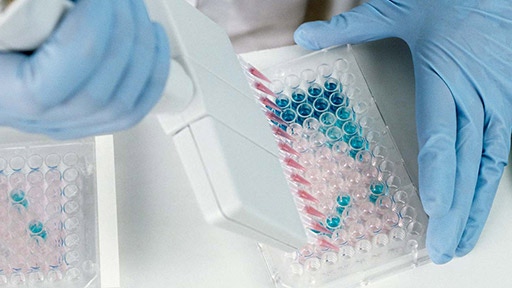
Microplates
Available in different well formats, plastic types, coatings, and colors for TR-FRET, HTRF, Alpha, luminescence, and more.
Microplate Readers
High-throughput microplate readers to support AI validation studies, with reliable data generation across 96- to 1536-well formats.
Target-based assays for high-content imaging:
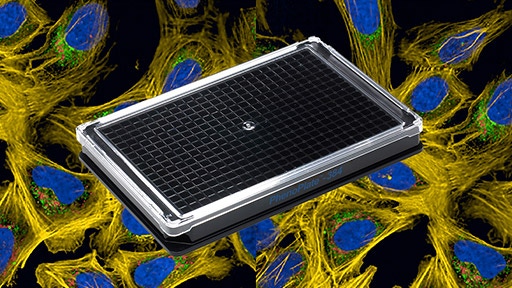
Cell Imaging & Analysis Solutions
Reliable high-content imaging instruments, software, fluorescent probes, and microplates to support target-based screening.
Target-based assays for flow cytometry:
Flow Cytometry Reagents
Confirm protein expression at a single-cell level with comprehensive flow cytometry reagents.
Cell-state and perturbation-response approaches
From perturbation to phenotypic response – validating cell state predictions
AI can predict cell state changes in response to perturbations such as compounds or genetic edits. Revvity helps researchers biologically validate whether those changes occur and how they arise mechanistically. Our reliable solutions spanning genetic perturbation, transcriptomic profiling, functional assays, high-content imaging, and flow cytometry, support robust experimental testing of these hypotheses and deep mechanistic insights.
Drug screening and discovery is shifting, using AI approaches, from “single target hits” towards predicting how entire cell states change. In this paradigm, the focus is no longer just a protein of interest, but a high-dimensional cell state and its context. This cell state is defined by phenotypic features such as morphology, gene expression, signaling activity, and secreted factors. Researchers then model how the cell state shifts under intervention.
Genetic perturbation:
Dharmacon CRISPR & RNAi Technologies
Biologically validate AI mechanistic suggestions with genetic perturbation technologies to confidently advance discovery programs.
Transcriptomic and phenotypic profiling:
DRUG-seq for Gene Expression Profiling
Screening-scale gene expression profiling of perturbation responses for hit triage and mechanism-of-action studies.
LEGENDplex Multiplex Immunoassays
Quantitate up to 14 analytes simultaneously using flow cytometry to verify mechanism of action and candidate effects at a functional level.
Flow Cytometry Reagents
Verify candidate effects at single-cell level with flow cytometry reagents to support apoptosis, cell cycle, cytotoxicity assays and more.
Multiomics and TotalSeq Reagents by BioLegend
Uncover unique phenotypes and understand protein expression on a single-cell level with simultaneous protein and RNA characterization.
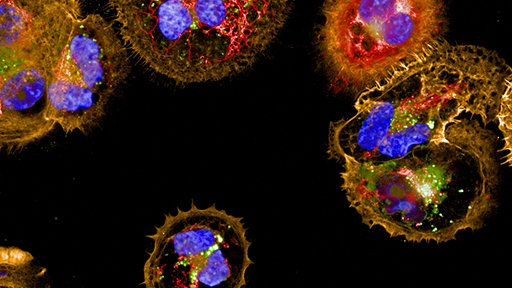
High-content Imaging Reagents & Kits
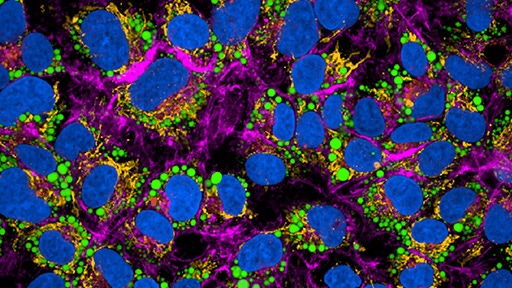
Visualize cell responses with ready-to-use kits and reagents for cell painting, antibody internalization, organelle staining, and more.
Microplates for Cell Imaging
Enhance imaging performance and data quality with microplates engineered for high-content applications.
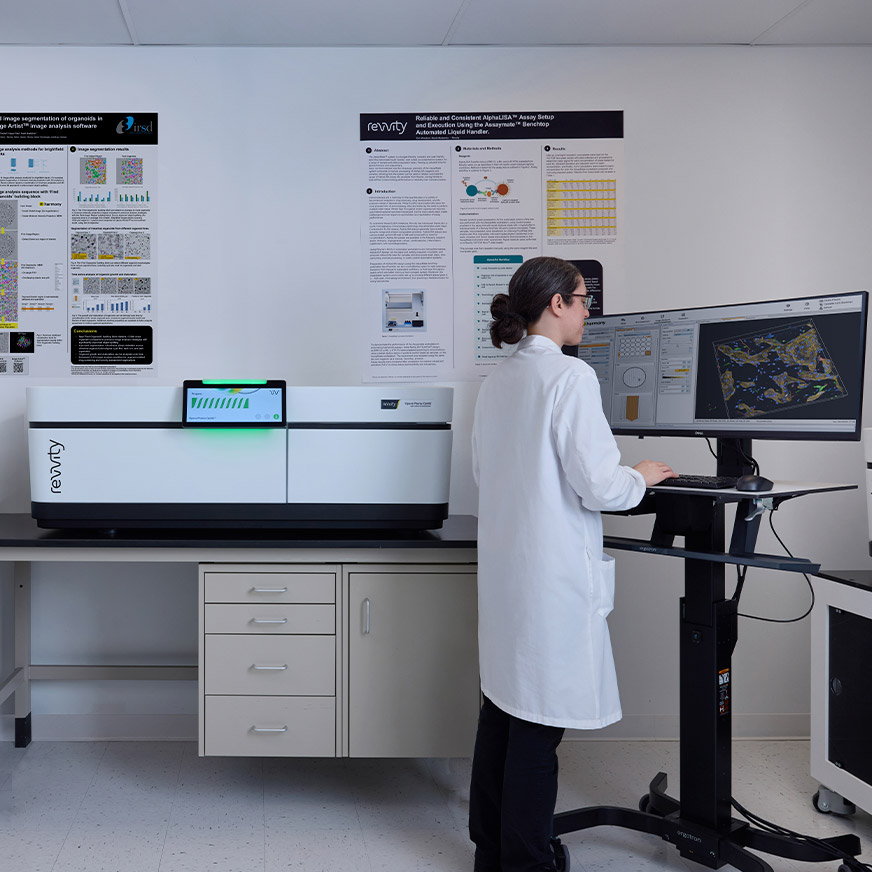
High-content Imaging Instruments & Software
High-throughput confocal imaging platforms with advanced software for robust phenotypic profiling at scale.
Cell-based assays for plate readers:
No-wash Immunoassays
Reduce data variability and noise by removing wash step inconsistencies in high-throughput screening workflows.
Luminescence Assays
Luciferase luminescence assays in convenient microplate formats to evaluate ATP levels or gene expression.
pHSense Reagents & Internalization Assays
Plate-reader compatible reagents with TRF readout for rapid functional screening of cellular internalization.
Microplates
Available in different well formats, plastic types, coatings, and colors for TR-FRET, HTRF, Alpha, luminescence, and more.
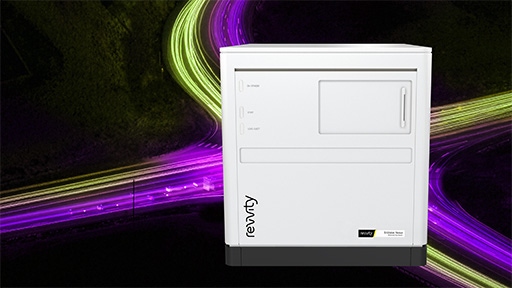
Microplate Readers
High-throughput microplate readers to support AI validation studies, with reliable data generation across 96- to 1536-well formats.
Sample prep, automation, and data solutions
Supporting AI feedback loops at scale
Revvity's solutions support lab-in-the-loop AI-driven feedback for drug discovery screening, where biological validation can automatically feed back to improve model predictions through iterative learning cycles. Our integrated approach combines custom automation with data management solutions that capture results in real-time from automated instruments, preserve experimental context, and support ontology integration.
AI-driven drug discovery is expected to increase demand for wet lab activities, requiring continuous feedback loops between AI predictions and biological validation. Lab automation and intelligent data solutions become critical to achieve the throughput, consistency, and data quality needed to validate AI/ML insights at scale. This requires capturing full experimental context and standardizing data to enable comparison of results across assays, modalities, teams, and timepoints.
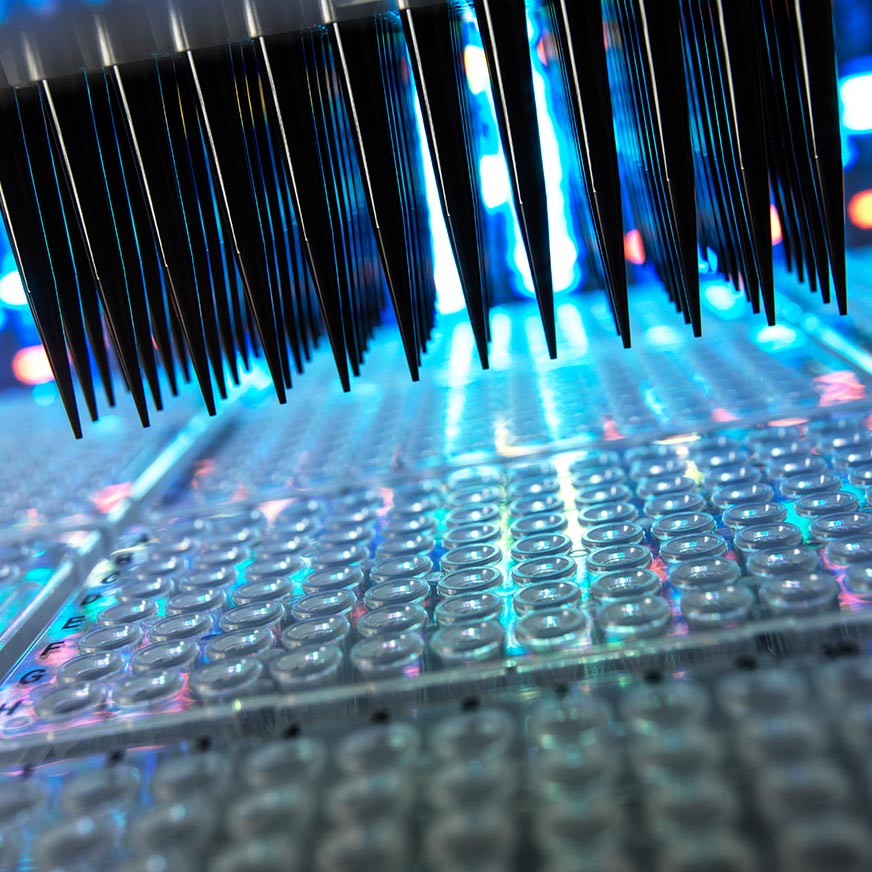
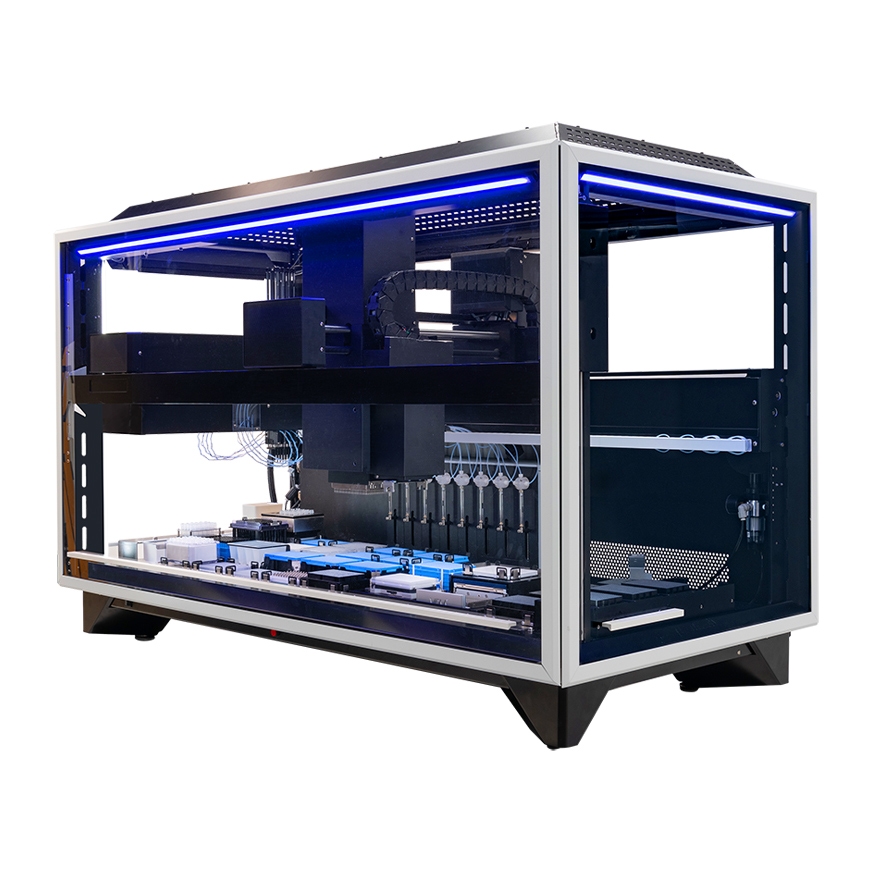
Automated Liquid Handling
Increase throughput and reduce errors and hands-on time with customizable liquid handling workstations.
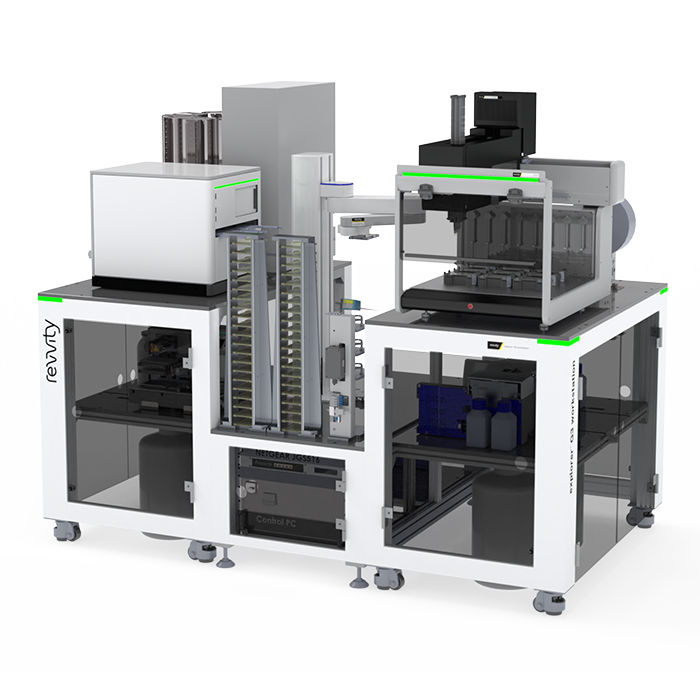
Integrated Lab Automation
Flexible, scalable, and modular workstations, designed to fit your unique needs, all from a single-source.
Signals One Software Solution
Enhance drug discovery workflows using AI with drug modality specific solutions to ease data integration and improve decision making.
Preclinical services
A collaborative approach to biological validation
Revvity preclinical services provide a flexible outsourcing solution to biologically validate your AI-based drug screening predictions. We generate high-quality screening data across 600+ cell lines, helping you build proprietary datasets focused on the disease states and genetic backgrounds relevant to your research.
As your collaborative partner, we design bespoke studies that integrate your specifications for cell panels, dosing parameters, and readouts drawing from our 20+ years of screening expertise. Whether you have limited internal screening capabilities or prefer to focus on AI model development and refinement, we bring an integrated portfolio of assays, instruments, automation, software, and scientific specialists to your project - so you can advance your models while we deliver the experimental data to support them.
Preclinical Services
Outsource your validation to a collaborative partner with integrated Revvity tools and expertise to advance your AI-driven discoveries.
Featured resources
FAQs
-
What is the difference between AI-based drug screening and traditional screening?
Traditional screening in drug discovery relies on laboratory experiments to test large libraries which can be time-consuming and resource intensive. AI-based drug screening transforms this approach by using machine learning models to virtually screen vast datasets and predict promising compounds, targets, and biological activity before extensive laboratory testing begins. This helps researchers prioritize, focus and scale their experimental efforts, and reduce the time and cost associated with early-stage drug discovery.
-
Why does AI-based drug screening still need biological validation?
AI can accelerate drug discovery, but it can't replace the wet lab. Models used in AI-based drug screening can predict promising targets, compounds, and hypotheses, but these predictions remain theoretical until confirmed experimentally. Biological validation in the wet lab, as the gold standard, helps transform AI insights into actionable data, confirming whether predicted protein functions, cell state changes, or compound interactions occur in practice.
-
How does Revvity support biological validation of AI-based drug screening?
Revvity provides a comprehensive suite of assays, instruments, automation, data solutions, and preclinical services for biological validation, built on decades of drug discovery screening expertise.
From genetic perturbation tools, target-based assays including no-wash immunoassays, and phenotypic profiling solutions such as high-content imaging, to integrated lab automation and software, we help you identify suitable validation strategies and orthogonal assays to biologically validate your AI screening predictions.
-
What is "lab-in-the-loop" in AI-driven drug discovery?
A lab-in-the-loop system is a continuous feedback cycle where AI models propose hypotheses, which are then tested and validated in the wet lab. The resulting biological validation data is fed back into the AI models to refine and improve their predictions over time. This iterative approach is the foundation of scalable, AI-driven drug discovery, and it's why the quality of your biological validation data matters as much as the AI model itself.
-
How does Revvity support lab-in-the-loop workflows?
Revvity supports lab-in-the-loop workflows through a broad portfolio of assays, instruments, automation, and software. Together, these solutions help connect in silico and wet lab environments - supporting higher-throughput data generation, improved reproducibility, and smarter scientific decision-making.