


Explore applications
Liquid biopsy
Cell-free DNA (cfDNA) and microRNA (miRNA) enable non-invasive cancer research and analysis of circulating tumor-derived nucleic acids. Circulating tumor DNA (ctDNA) provides real-time genomic profiling capabilities, with mutation analysis predicting treatment resistance in prostate cancer1. Epigenetic markers including DNA methylation patterns demonstrate early detection potential in colorectal cancer screening2.
Sample diversification beyond blood enhances biomarker accessibility. Cerebrospinal fluid cfDNA analysis enables direct monitoring of central nervous system tumors with reduced systemic interference3. Circulating miRNAs offer functional insights into tumor biology through regulatory pathway analysis.
Solid tumor
Cell-free DNA (cfDNA) extracted from formalin-fixed paraffin-embedded (FFPE) tissues enable comprehensive genomic profiling of archived cancer specimens for retrospective biomarker discovery.
Genomic profiling of FFPE samples identifies critical cancer biology insights. Comprehensive analysis distinguishes sporadic early-onset colorectal adenocarcinoma through unique mutational patterns compared to age-related disease4. Clonal evolution studies demonstrate how replication stress tolerance and immune responses influence metastatic site preference, with liver and lung recurrence showing distinct molecular signatures in pancreatic cancer5.
Cancer genome research workflow
Reference standards
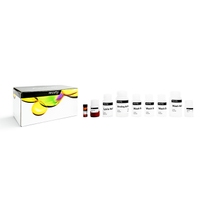
Mimix™

Synthetic controls that replicate target sequences for quantitatively assessing assay performance and verifying end-to-end workflows.
Nucleic acid extraction

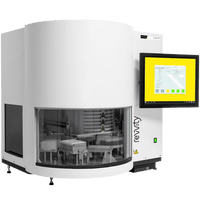
chemagic™ Technology
Magnetic bead-based automated isolation delivering high-purity DNA/RNA from diverse sample types.
Quality control
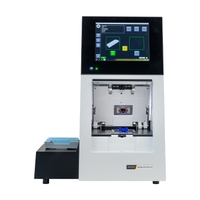
Lapchip™ Quality control
Automated sizing and quantification of DNA/RNA samples using minimal volumes for QC workflows.
Library prep
NGS adapters and blockers

UDI-UMI adapters
NGS adapters with UDI/UMI options for Illumina and Element Biosciences sequencing platforms, plus universal blockers that enhance hybridization specificity.
Automation
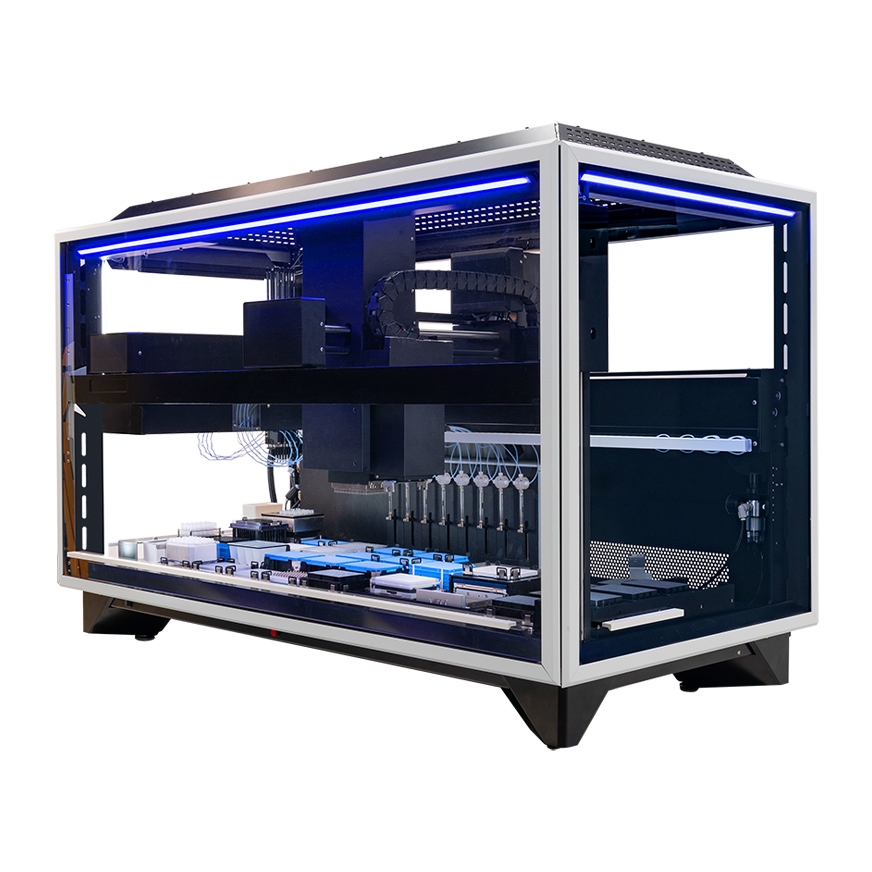
Liquid Handling Workstations

With dedicated workstations designed for a diverse variety of applications, along with the ability to customize the liquid handling workstations.
Ready to transform your research?
Our automated workflows are designed to enhance your research capabilities while saving time and improving reproducibility. We can help accelerate your research with:
- Expertise you can trust: Our specialized team brings deep, hands-on experience in cfDNA and miRNA workflows, ensuring that every step is executed with precision
- Cutting-edge innovation: We don't just keep up with technology, we lead it. Our solutions incorporate the latest scientific advancements, giving you access to some of the most sophisticated tools available in cancer research today.
- Customized solutions: We understand that every research project is unique. Our workflows are designed to support a wide range of applications and research objectives.
To learn more about how our automated workflows can enhance your research, please check the additional resources below. We are here to provide you with detailed information and support tailored to your needs. Contact us to discuss and realize your entire cancer research workflow.
Featured resources
References
- Yu J, Cho E, Choi J, Lim JE, Lee J, Kang M, Sung HH, Jeong BC, Seo SI, Jeon SS, Lee HM, Jeon HG. Genomic mutation profiling using liquid biopsy in Korean patients with prostate cancer: Circulating tumor DNA mutation predicts the development of castration resistance. Investig Clin Urol. 2021 Mar;62(2):224-232.
- Puddu, F., Johansson, A., Modat, A. et al. 5-methylcytosine and 5-hydroxymethylcytosine are synergistic biomarkers for early detection of colorectal cancer. Commun Med 6, 15 (2026).
- Song, Ho Hyun et al. Optimization of a Protocol for Isolating Cell-free DNA From Cerebrospinal Fluid." Annals of laboratory medicine vol. 44,3 (2024): 294-298.
- Link, J.M., Eng, J.R., Pelz, C. et al. Ongoing replication stress tolerance and clonal T cell responses distinguish liver and lung recurrence and outcomes in pancreatic cancer. Nat Cancer 6, 123–144 (2025).
- Ponvilawan, B., Sakornsakolpat, P., Pongpaibul, A. et al. Comprehensive genomic analysis in sporadic early-onset colorectal adenocarcinoma patients. BMC Cancer 25, 349 (2025).

