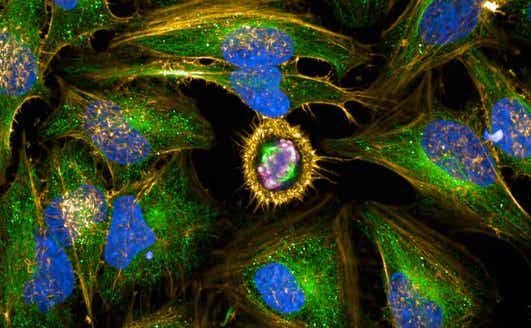


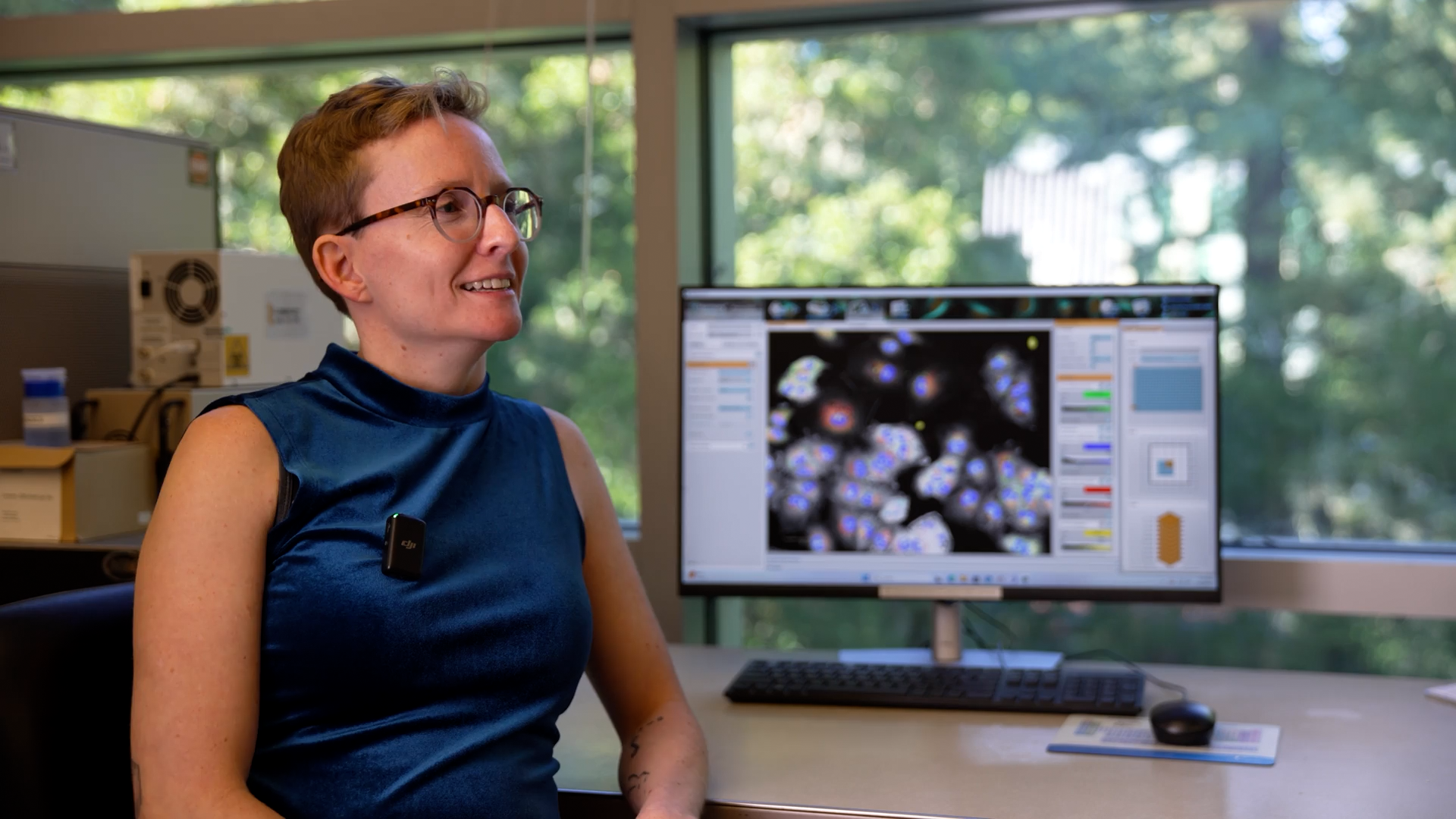

At UC Santa Cruz's Chemical Screening Center, Director of Operations Dr. Beverley Rabbitts leads a core facility focused on expanding access to drug discovery infrastructure within an academic setting. Since adding the Opera Phenix™ Plus high-content screening system to their toolkit, their team reports that it has enabled experimental approaches that were previously impractical due to time and throughput constraints.
Take circadian rhythm research, where scientists need to observe cells continuously for weeks. "The speed of the Opera Phenix Plus
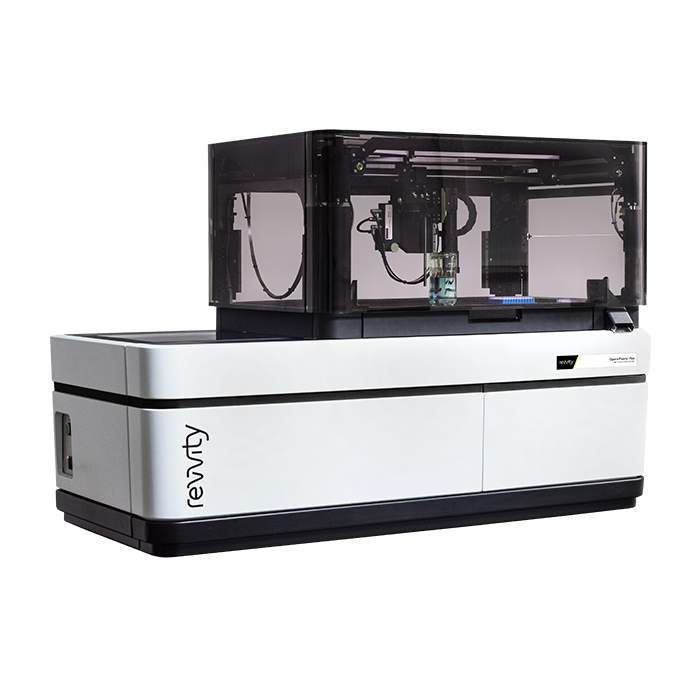 Opera Phenix Plus High-Content Screening System
allows us to image these live cells over that long time course, using the on-board environmental chamber," says Dr. Rabbitts.
Opera Phenix Plus High-Content Screening System
allows us to image these live cells over that long time course, using the on-board environmental chamber," says Dr. Rabbitts.
The system's intuitive design has also attracted researchers who never considered themselves imaging experts. "The system is so easy to use that I can show a student how to use it in a single afternoon," says Dr. Rabbitts. "I have chemists who might never have considered growing cells before. And now here they are in the lab, imaging cells and collecting high-throughput, high-content data on their compounds."
And that ease of use doesn't come at the expense of capability. In practice, the workflow from cell culture through to image acquisition and data analysis can be consolidated, reducing the need for multiple platforms or extensive user training.
Intelligent, integrated analysis
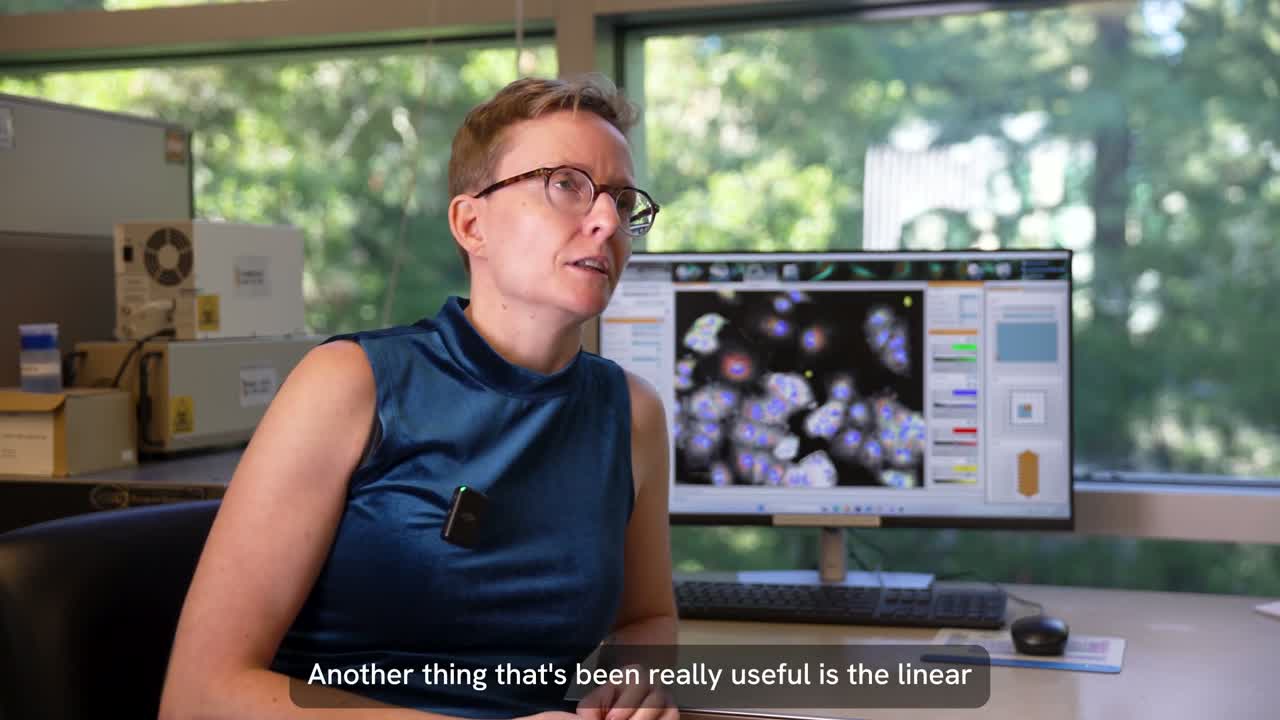
A large part of that is the built-in linear classifier, which helps bridge the traditional gap between image acquisition and interpretation. "Having the linear classifier incorporated directly into the imaging software makes it so easy to go from growing and treating cells to collecting and analyzing images all in one step," says Dr. Rabbitts.
For biologists who need confocal-quality imaging across large sample sizes, the Opera Phenix Plus provides a practical balance between throughput and quality. "Researchers can come here and use the high-throughput system to get really high-quality images without sacrificing resolution, while also looking at a large number of specimens at once," explains Dr. Rabbitts.
Empowering the next generation of discovery
At UCSC's Chemical Screening Center, the Opera Phenix Plus has become a shared platform that supports interdisciplinary research. Chemists are now working alongside biologists, students are gaining hands-on experience with automated high-content imaging workflows, and research questions that once seemed out of reach are now more experimentally accessible.
For Dr. Rabbitts, that shift speaks for itself. When advanced instrumentation is accessible to non-specialists, technical barriers to entry are reduced, enabling broader participation in complex experimental design and data generation.
Are you curious about what the Opera Phenix Plus
Opera Phenix Plus High-Content Screening System
could do for your lab? Connect with our team to discuss your specific imaging challenges and discover how this system can expand your research capabilities.
For research use only. Not for use in diagnostic procedures.