
JP

Revvity Sites Globally
Select your location.
*e-commerce not available for this region.

HTRF Human and Mouse Total ACC Detection Kit, 500 Assay Points
HTRF Human and Mouse Total ACC Detection Kit, 500 Assay Points

generic HTRF total primary image
This HTRF kit is designed to monitor the expression level of cellular ACC1/2, as a readout of the SREBP1c pathway activation. It can be used as a normalization assay for the phospho-ACC kit.
| Feature | Specification |
|---|---|
| Application | 細胞シグナル伝達 |
| Sample Volume | 16 µL |
This HTRF kit is designed to monitor the expression level of cellular ACC1/2, as a readout of the SREBP1c pathway activation. It can be used as a normalization assay for the phospho-ACC kit.
Product variants
Unit Size: 500 assay points
Part #:
64NACPEG
Unit Size: 10,000 assay points
Part #:
64NACPEH
Unit Size: 50,000 assay points
Part #:
64NACPEY
For research use only. Not for use in diagnostic procedures. All products to be used in accordance with applicable laws and regulations including without limitation, consumption, and disposal requirements under European REACH regulations (EC 1907/2006).
HTRF Human and Mouse Total ACC Detection Kit, 500 Assay Points
generic HTRF total primary image
Loading...
Product information
Overview
ACC (Acetyl-CoA carboxylase) is an important regulator of fatty acid metabolism. By catalyzing the carboxylation of acetyl-CoA to malonyl-CoA, ACC serves as a novel biomarker or drug target in diabetes and obesity research. The enzymatic activity of ACC is inhibited by phosphorylation on Ser-79 residue.
Like various genes involved in fatty acid regulation, the transcription of ACC genes is tightly regulated by the SREBP1c transcription factor. When activated, this transcription factor binds to the SRE DNA sequence upstream from the ACC gene promoter, and activates its transcription. Thus, the quantitative detection of Total ACC represents a valuable readout of SREBP1c pathway activation.
The HTRF Total ACC cellular assay monitors the expression levels of both ACC 1 and ACC2, and can be used as a normalization assay with the HTRF phospho-ACC Ser79 kit. This kit is compatible with the buffers from the phospho-ACC kit, so the same lysate can be used for analyzing both the phosphorylated and the total protein populations.
This cell-based assay enables simple yet sensitive and efficient quantification of ACC 1/2, and offers enhanced convenience over ELISA or WB assays.
How it works
Total-ACC assay principle
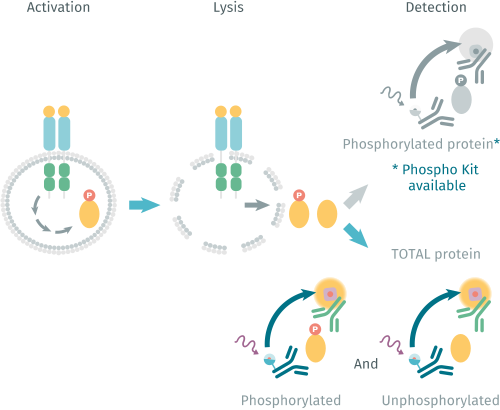
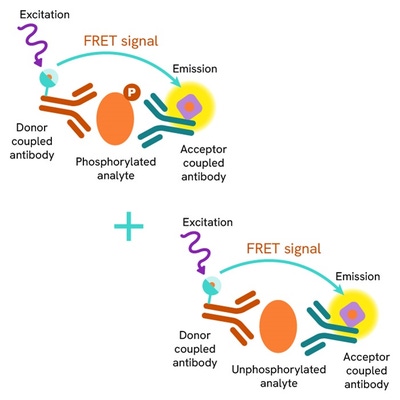
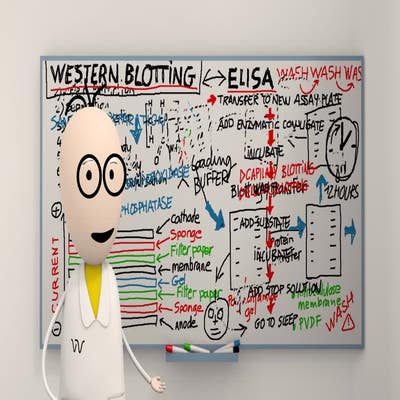
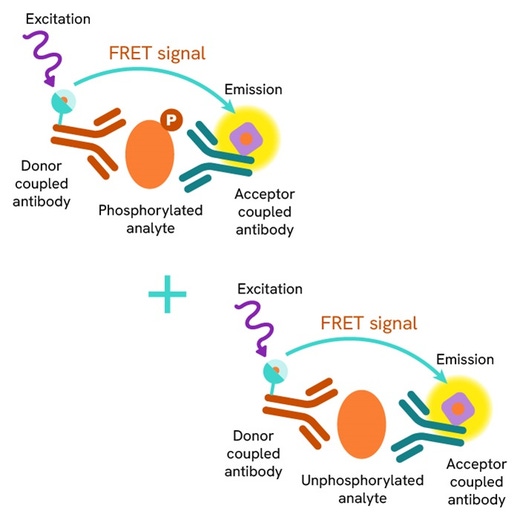
The Total-ACC assay quantifies the expression level of ACC in a cell lysate. Unlike Western Blot, the assay is entirely plate-based and does not require gels, electrophoresis, or transfer. The Total-ACC assay uses two labeled antibodies: one coupled to a donor fluorophore, the other to an acceptor. Both antibodies are highly specific for a distinct epitope on the protein. In the presence of ACC in a cell extract, the addition of these conjugates brings the donor fluorophore into close proximity with the acceptor and thereby generates a FRET signal. Its intensity is directly proportional to the concentration of the protein present in the sample, and provides a means of assessing the protein’s expression under a no-wash assay format.
Total-ACC 2-plate assay protocol
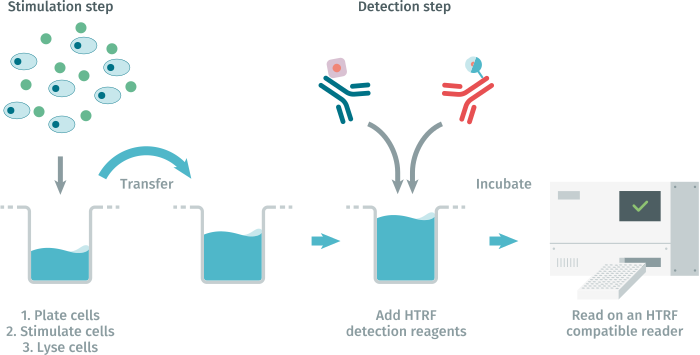
The 2 plate protocol involves culturing cells in a 96-well plate before lysis, then transferring lysates to a 384-well low volume detection plate before the addition of Total ACC HTRF detection reagents. This protocol enables the cells' viability and confluence to be monitored.
Total-ACC 1-plate assay protocol
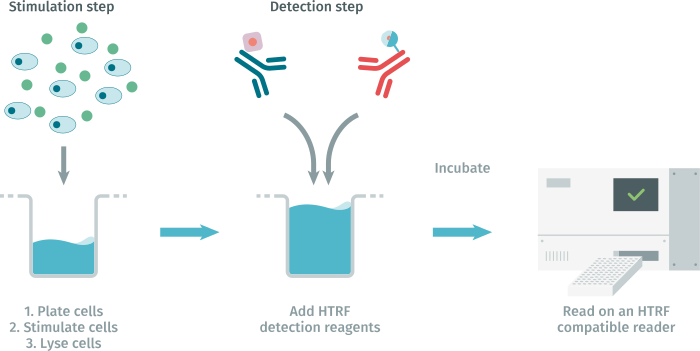
Detection of total ACC with HTRF reagents can be performed in a single plate used for culturing, stimulation, and lysis. No washing steps are required. This HTS designed protocol enables miniaturization while maintaining robust HTRF quality.
Assay validation
HTRF Total ACC is a relevant readout of the SREBP1c pathway
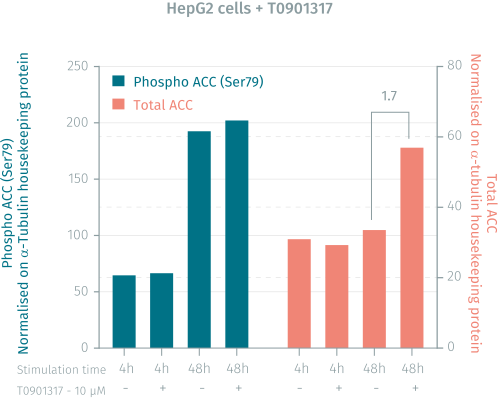
T0901317, a synthetic LXR nuclear receptor agonist, stimulates SREBP-1c transcription. Activated SREBP1c transcription factor binds to an SRE DNA sequence upstream from the ACC gene promoter, and activates its transcription. Thus, the quantitative detection of Total ACC represents a valuable readout of SREBP1c pathway activation.
75,000 human HepG2 cells were plated in 96-well plates using DMEM culture medium, and incubated for 24h at 37 °C - 5% CO2. Cells were stimulated with T0901317 (10µM) for 4h or 48h. Medium was then removed, and the cells were next lysed with 50 µL of lysis buffer 4 for 30 minutes at RT under gentle shaking. 16 µL of lysate were analyzed either by HTRF Phospho ACC (Ser79), Total ACC, and 4 µL with HTRF Alpha-Tubulin to normalize the assays. The HTRF signal was recorded after an overnight incubation. Normalization Tubulin was calculated as the HTRF ratio Phospho ACC (Ser79) or HTRF ratio Total ACC divided by the HTRF ratio of alpha-tubulin X 100.
T0901317 effects were analyzed using the Alpha-tubulin normalized results obtained with or without treatment.
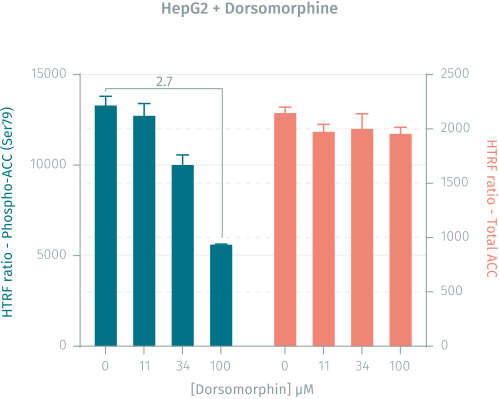
Total ACC, companion of the Phospho ACC kit on human HepG2 cell lines treated with dorsomorphin.
100,000 human HepG2 cells were plated in 96-well plates using complete DMEM culture medium, and incubated for 24 h at 37 °C - 5% CO2. Cells were stimulated with different concentrations of dorsomorphin (2h) in SVF free DMEM culture medium. The cells were lysed with 50 µL of lysis buffer 4 for 30 min at RT under gentle shaking. 16 µL of lysate were transferred into a 384-well sv white microplate, and 4 µL of the HTRF Phospho ACC (Ser79) or Total ACC detection reagents were added. The HTRF signal was recorded after an overnight incubation.
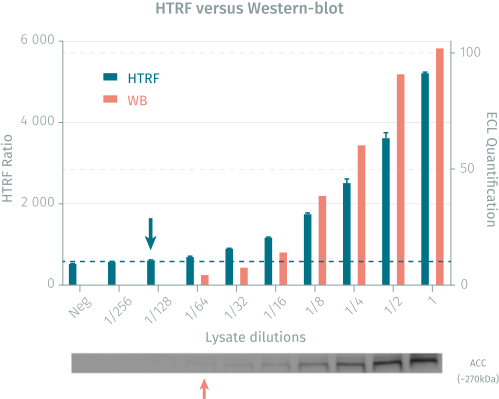
Total ACC HTRF vs Western Blot on human HepG2 cell line stimulated with T0901317 (10µM)
The Human HepG2 cell line was seeded in a T175 flask in complete DMEM culture medium, and incubated for 24 h at 37°C, - 5% CO2. Cells were stimulated with T0901317 (10 µM) during 16h. Medium was removed and the cells were then lysed with 3 mL of lysis buffer 4 for 30 min at RT under gentle shaking. Soluble supernatants were collected after a 10 min centrifugation.
Serial dilutions of cell lysate were performed in the lysis buffer, and 16 µL of each dilution were transferred into a 384-well sv white microplate before the addition of 4 µL of HTRF Total ACC detection reagents. Equal amounts of lysate were used for a side by side comparison between HTRF and Western Blot.
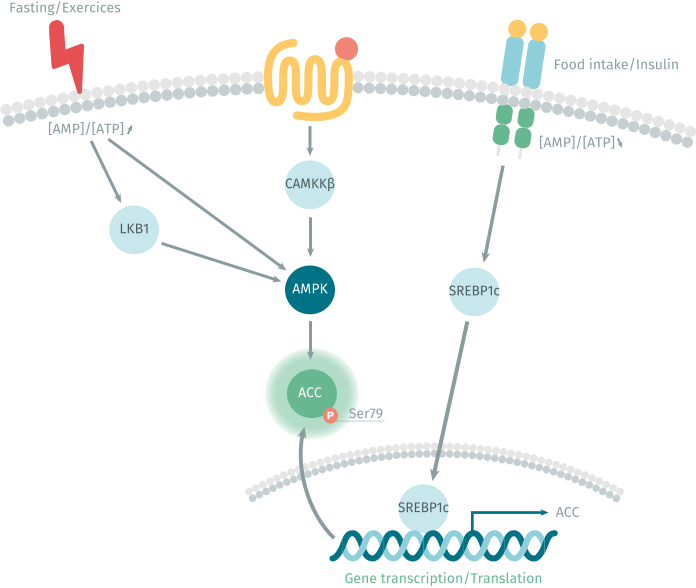
Simplified pathway
Acetyl-Coenzyme A Carboxylase ACC in fatty acid metabolism
Acetyl-Coenzyme A Carboxylase, with its two mammalian isoforms ACC-1 and ACC-2 (or ACC-alpha & ACC-beta), are ubiquitous, pivotal enzymes that are crucial for cellular energy metabolism. The ATP-dependent carboxylation of acetyl-CoA to malonyl-CoA is attributed to ACC-1, whereas ACC-2 carboxylation of malonyl-CoA is exclusively related to mitochondrial beta-fatty acid oxidation. ACC-1 and 2 are key regulators of fatty-acid biosynthesis and oxidation, and thus present attractive targets in the design of drugs against Type 2 Diabetes, metabolic syndrome, heart disease, and even cancer.
Specifications
| Application |
Cell Signaling
|
|---|---|
| Automation Compatible |
Yes
|
| Brand |
HTRF
|
| Cellular or Signaling Pathway |
Lipid metabolism
|
| Detection Modality |
HTRF
|
| Lysis Buffer Compatibility |
Lysis Buffer 4
Lysis Buffer 5
|
| Molecular Modification |
Total
|
| Product Group |
Kit
|
| Sample Volume |
16 µL
|
| Shipping Conditions |
Shipped in Dry Ice
|
| Target |
ACC
|
| Target Class |
Phosphoproteins
|
| Target Species |
Human
Mouse
|
| Technology |
TR-FRET
|
| Therapeutic Area |
Metabolism/Diabetes
NASH/Fibrosis
|
| Unit Size |
500 assay points
|
Video gallery
HTRF Human and Mouse Total ACC Detection Kit, 500 Assay Points
Resources
Are you looking for resources, click on the resource type to explore further.

Brochure
HTRF assays and reagents product list
Discover the versatility and precision of Homogeneous Time-Resolved Fluorescence (HTRF) technology. Our HTRF portfolio offers a...

Guide
HTRF solutions, guide to major applications
This guide provides you an overview of HTRF applications in several therapeutic areas.
Loading...


How can we help you?
We are here to answer your questions.