


As biotherapeutic development continues to evolve, bioprocessing teams are facing a growing challenge: how to move faster without compromising quality, consistency, or long-term scalability.
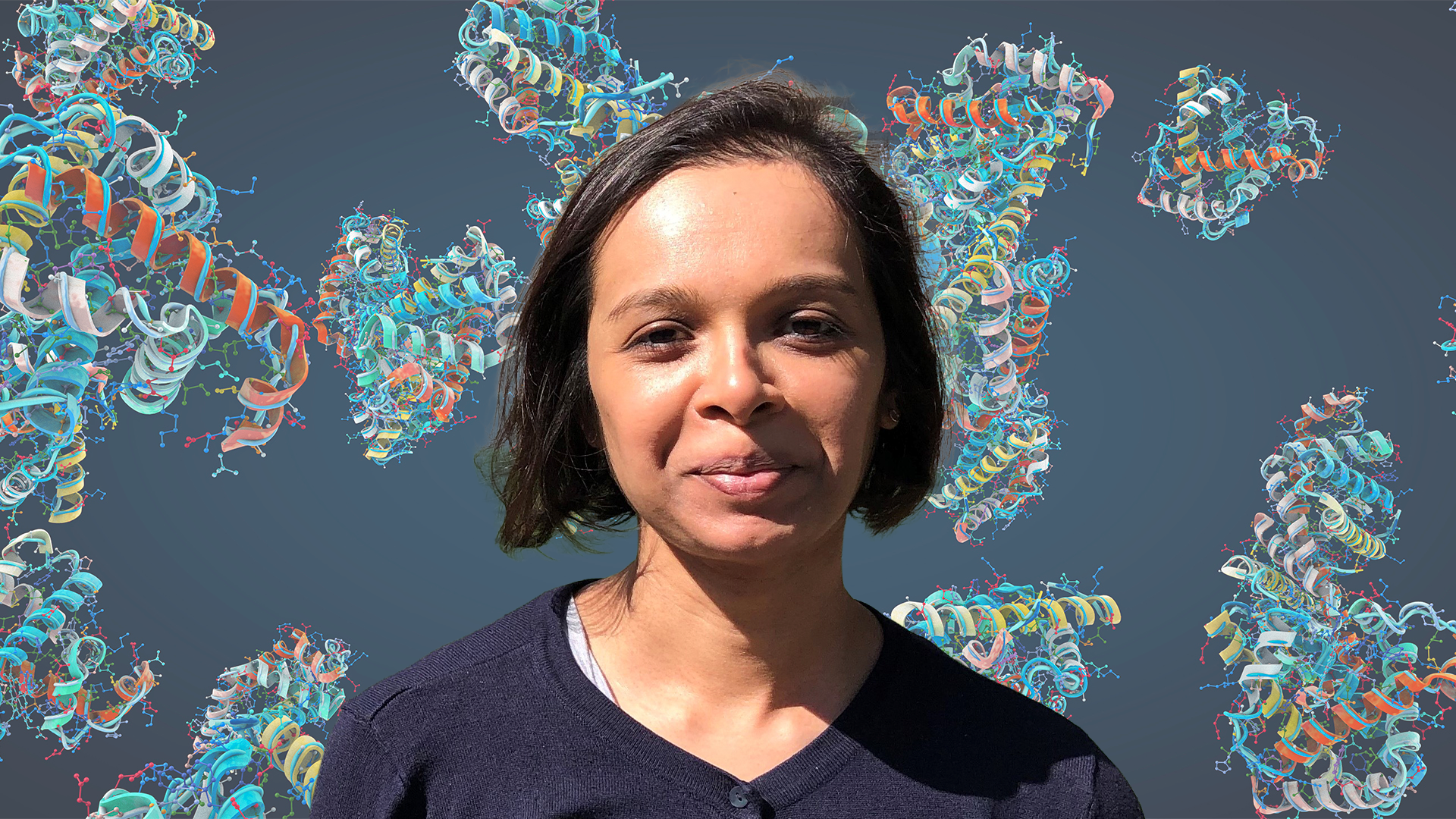
Dr. Neha Mishra, Senior Bioproduction Scientist at Revvity, offers her perspectives on how teams are navigating today’s bioproduction landscape, addressing common industry challenges, and applying modern strategies to compress development timelines while maintaining confidence from cell line development through CMC.
Q: What is the main challenge bioprocessing teams face today?
“Development timelines are shorter than ever, but biological variability and scalability still make it difficult to achieve consistent quality across batches. Bioprocessing is no longer just about maximizing expression. It's about building systems that remain reliable as projects evolve and move toward manufacturing. The way genes are inserted, how pools are generated, and how clones are selected all influence not just early productivity, but long-term stability and manufacturability.”
According to Dr. Mishra, one of the biggest shifts in recent years is the tension between speed and robustness. Teams are under pressure to deliver IND-enabling material quickly, but biological systems don't always cooperate. Variability between clones, instability across generations, and late-stage surprises in productivity or quality can all introduce risk.
Q: Where do early decisions have the biggest downstream impact?
“If the foundations aren't right, teams often end up compensating later with more screening, more optimization, and more time.”
Dr. Mishra points to cell line development as one of the most critical — and often underestimated — stages. In practice, this means that decisions made during transfection and pool generation can shape everything that follows:
- How quickly does material becomes available for analytics
- How much variability emerges between clones
- How easily processes scale later on
Q: How are stable pool strategies changing development timelines?
“Non-clonal CHO pools enable faster CMC progress by supplying IND-enabling material early, allowing analytics and formulation activities to begin much sooner. This doesn't replace cloning, but it changes the sequence. You gain time without losing control.”
One of the most significant trends Dr. Mishra highlights is the growing use of stable non-clonal pools to support early development and CMC activities. Instead of waiting months for fully clonal cell lines, teams can now use high-quality pools to:
- Run early characterization studies
- Assess product quality attributes
- Start process development in parallel
Q: How do analytical workflows fit into streamlining development?
“Assays that take days to run or require multiple manual steps slow down feedback loops, especially during screening and optimization. When analytics keep pace with biology, teams can iterate faster and make more confident decisions.”
Speed in bioprocessing isn't just about biology, it's also about how quickly data turns into decisions. Dr. Mishra emphasizes that traditional analytical workflows can become hidden bottlenecks. Modern homogeneous and high-throughput assay technologies are helping teams:
- Reduce hands-on time
- Improve reproducibility
- Generate usable data earlier in development
Q: What does “streamlining” really mean in bioprocessing?
“Streamlining means reducing unnecessary repetition, minimizing late-stage surprises, and designing workflows that support both speed and long-term quality. The goal is not just to move faster, but to arrive at manufacturing with fewer unknowns.”
For Dr. Mishra, streamlining isn't about cutting corners: it's about connecting stages more intelligently, requiring:
- Robust gene insertion strategies
- Predictable expression systems
- Reliable clone verification
- Analytical methods that scale with development
Q: Looking ahead: what will matter most in the next few years?
“Bioprocessing is becoming more integrated. The boundaries between research, development, and CMC are blurring, and decisions need to reflect that continuity.”
As portfolios become more diverse and regulatory expectations continue to rise, Dr. Mishra believes the most successful teams will be those that invest early in flexibility and reproducibility.
In other words: streamlining development is no longer a local optimization problem; it's a system-level design challenge.
About our expert
Dr. Mishra is a Senior Scientist in the BioProduction R&D team at Revvity. She holds a PhD in Animal Cell Technology with a focus on Antibody Glycosylation in CHO cells, from University of Manitoba, Canada and a MSc in Drug Discovery and Translational Biology from University of Edinburgh, UK. Prior to her PhD, Dr. Mishra held various research positions in both academia and industry. At Revvity, she is involved in R&D projects to enhance the BioProduction platform.
Disclaimer: The CHOSOURCE™ Platform is available for research, clinical, diagnostic, and commercialization applications, including services, under specific licenses from Revvity.