


Each year on June 19, World Sickle Cell Day highlights the importance of improving awareness, early diagnosis, and care for individuals living with sickle cell disease (SCD).
In sub-Saharan Africa, where the burden of SCD remains among the highest globally, newborn screening plays a critical role in improving outcomes for affected children. This World Sickle Cell Day, Revvity recognizes the healthcare professionals, laboratory teams, public health leaders, and partners working to expand access to early detection through training, collaboration, and investment in laboratory capability.
Key takeaways:
- Newborn screening enables earlier sickle cell disease diagnosis.
- Hands-on training builds local laboratory confidence.
- Regional collaboration supports sustainable screening programs.
- Infrastructure investment expands access across sub-Saharan Africa.
The importance of early detection
Sickle cell disease is one of the most common inherited blood disorders worldwide. Without early diagnosis and intervention, affected children face a significantly higher risk of serious complications, including infections, stroke, anemia, pain crises, and premature mortality.
Newborn screening enables healthcare providers to identify affected infants before symptoms appear, allowing preventive care, family education, monitoring, and treatment planning to begin as early as possible. Early diagnosis helps establish appropriate care pathways that can improve long-term outcomes.
However, successful newborn screening programs require more than technology alone. Sustainable implementation depends on trained laboratory professionals, standardized workflows, healthcare infrastructure, and ongoing investment in local capabilities. Across sub-Saharan Africa, healthcare systems continue working to expand access to these vital services despite significant logistical and resource challenges.
Supporting regional collaboration through the CONSA laboratory training summit
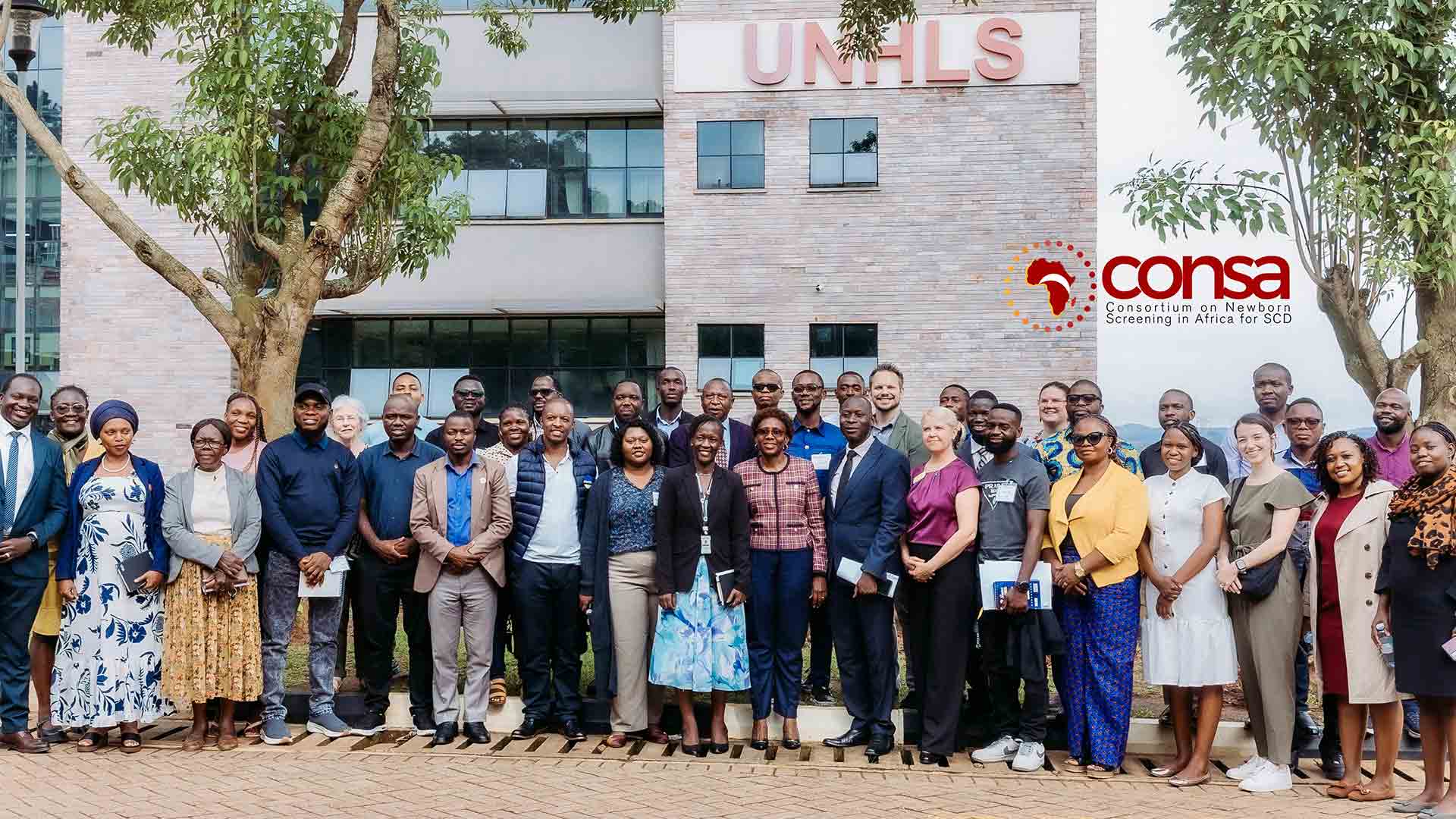
Earlier this year, Revvity proudly supported the 2nd CONSA Laboratory Training Summit in Kampala, Uganda, bringing together laboratory professionals and healthcare leaders from seven sub-Saharan African countries representing ten laboratories.
The summit provided a valuable platform for regional collaboration, knowledge sharing, and practical problem-solving among professionals committed to strengthening newborn screening programs and expanding access to early detection for sickle cell disease.
Laboratory teams across the region often face similar challenges, including workforce development, quality management, resource limitations, and program scalability. By bringing together experts from multiple countries, the summit created opportunities to exchange experience, share best practices, and build professional networks that support continued progress beyond the event itself.
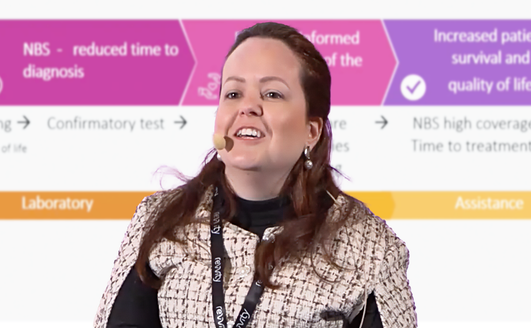
Among those participating was Marika Kase, Global Business Director for Revvity’s Neonatal platform.
Reflecting on the experience, Marika emphasized the importance of long-term capability building:
"What stood out most during the summit was the shared commitment from every laboratory team and healthcare leader involved. There is tremendous passion and determination to strengthen newborn screening programs across sub-Saharan Africa, and meaningful progress happens when we invest in training, collaboration, and sustainable local expertise."
Building technical expertise through hands-on training
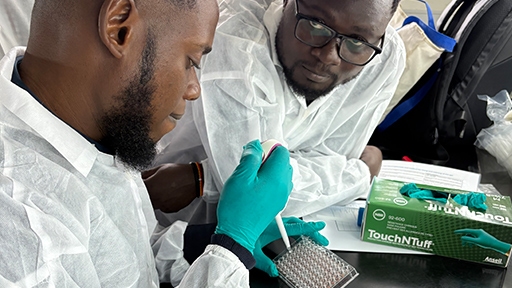
A key focus of the summit was practical laboratory education and technical training.
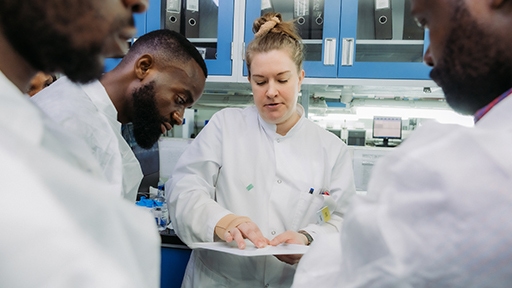
Revvity specialists delivered hands-on sessions focused on Migele™ IEF hemoglobinopathy screening techniques and interpretation, helping participants strengthen technical proficiency and diagnostic confidence in newborn screening workflows related to sickle cell disease and other hemoglobinopathies.
Training covered:
- Hemoglobinopathy screening workflows
- Isoelectric focusing (IEF) interpretation
- Laboratory best practices
- Technical troubleshooting
- Quality and consistency in screening processes
- Knowledge exchange between participating laboratories
The success of the program was driven by Revvity's training facilitators, including Tiina Mari Kelanne and Ida Alm-Ndiaye, who led demonstrations, technical discussions, and collaborative learning throughout the summit.
As Marika explains:
“Sustainable newborn screening programs are built through people. Technology is only one part of the equation. Equally important is ensuring laboratory professionals have access to education, hands-on experience, and ongoing support that enables them to build confidence and strengthen local screening capabilities for the long term.”
By investing in practical education and skills development, healthcare organizations can help strengthen local laboratory capacity and support the long-term sustainability of newborn screening programs.
Celebrating a regional milestone in Uganda
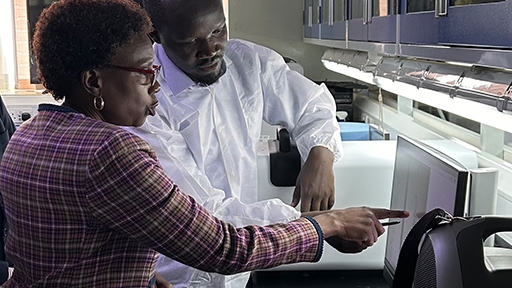
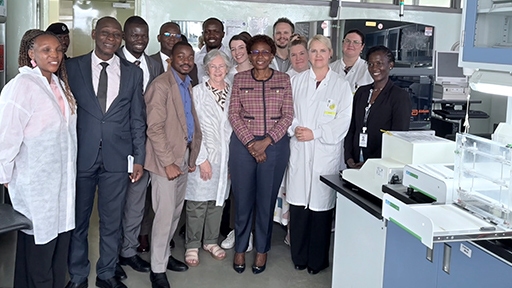
One of the most significant moments during the summit was the celebration of the region’s first Migele Gel Analyzer installation at Uganda’s Central Public Health Laboratory (CPHL).
The installation represents an important step forward in strengthening laboratory capability for newborn screening and hemoglobinopathy detection in sub-Saharan Africa. It reflects growing investment in diagnostic infrastructure and a shared commitment to improving access to early disease detection services.
The milestone brought together healthcare leaders, laboratory professionals, CONSA representatives, public health stakeholders, and industry partners, underscoring the collaborative effort required to expand newborn screening capacity across the region.
Advancing equity through partnership
A central theme of World Sickle Cell Day is equity, ensuring that children have access to timely diagnosis and care regardless of geography or healthcare resources.
In many high-burden regions, disparities in access to newborn screening remain a challenge. Addressing these gaps requires sustained investment in laboratory infrastructure, workforce development, healthcare policy, and regional collaboration.
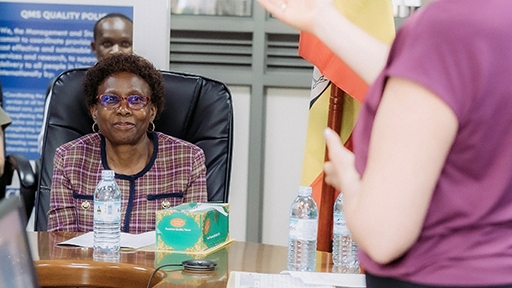
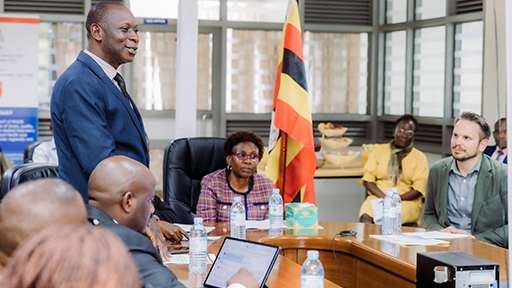
During the Uganda event, Minister of Health Jane Ruth Aceng Ocero highlighted the importance of strengthening sustainable newborn screening infrastructure and expanding access across the region. Her message reinforced the need for coordinated action among governments, healthcare institutions, laboratories, advocacy organizations, and industry partners.
The summit demonstrated how collaboration can help accelerate progress by supporting local expertise, strengthening healthcare systems, and building the foundations for sustainable screening programs.
Looking ahead
While important progress continues to be made, significant work remains to expand access to newborn screening for sickle cell disease globally.
Continued investment in healthcare infrastructure, laboratory education, workforce development, and regional partnerships will remain essential to improving access to early diagnosis and care.
This World Sickle Cell Day, we celebrate the progress being made across sub-Saharan Africa and recognize the healthcare communities driving that progress forward.
Together, we can continue advancing equitable access to newborn screening because every child deserves the best possible start in life.